WORLD IS ONE
Read
This language’s poem is still taking shape. Read the Odia original and help carry its feeling into your language. The adaptation brief is available below.
Download poem & notes ↓A poem by Ahimanikya Satapathy
This language’s poem is still taking shape. Read the Odia original and help carry its feeling into your language. The adaptation brief is available below.
Download poem & notes ↓Another kind of poem
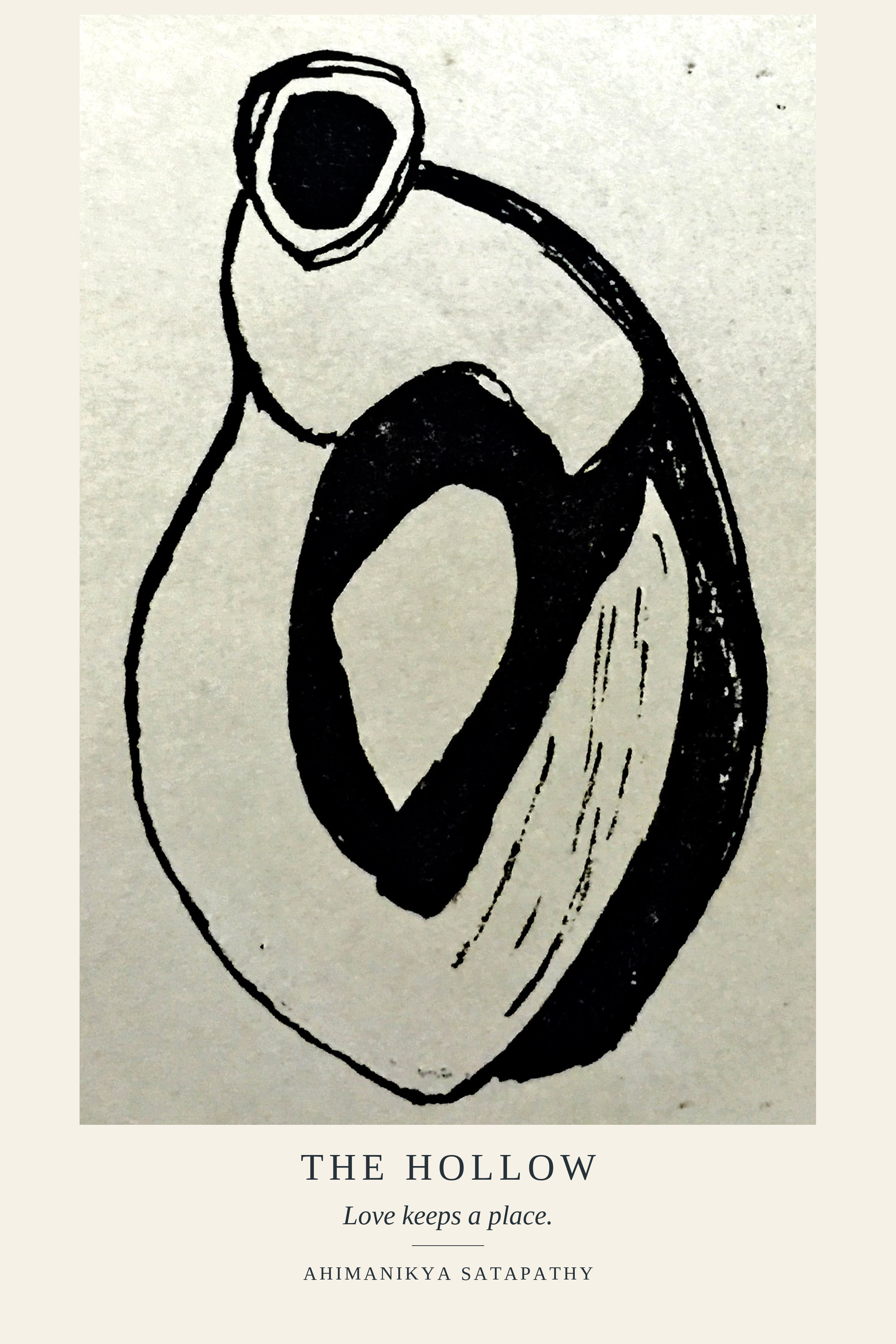
Love keeps a place.
Ahimanikya SatapathyAdaptation pending · Read the original poem ↗
Let the individual dream gently become something held by more than one voice. A quiet communal response fits the closing image while leaving the early stanzas personal.
The shared feeling is calm, soulful joy: affection, wonder and the freedom to dream. Local vocal phrasing and melody lead the arrangement. Rhythm and instrumentation can vary with the chosen setting while the pace remains unhurried.
Status — proposal awaiting adaptation. These notes explain a possible setting, not a completed song or a verified traditional form. Final phrasing, melody and pulse must follow the reviewed words in the chosen local variety.
Vocal choice — solo by default. One lead keeps the poem’s first-person voice and long thoughts connected. Any second voice, shared refrain or harmony suggested in the arrangement notes is an optional variation to discuss with the author before generation; it is not required by the language.
What to validate. Compose around reviewed Ho wording; let a small repeated tune and a late unison response support complete phrases. Check whether the cited context supports the chosen influence and whether the musical choices serve the poem. Distinguish a documented practice from our new arrangement. Suggest corrections with the local variety, a source or performance example, and a timestamp when reviewing audio.
The Ministry of Tribal Affairs’ Ho community profile documents music and instruments including dumang and rutu. Ho needs its own linguistic and musical treatment rather than a Santali substitution.
Musical reference: SCSTRTI — Ho handbook.
The reference supports the context described above. The new melody, tempo and ensemble still need musician review.
Compose around reviewed Ho wording; let a small repeated tune and a late unison response support complete phrases.
Lead voice, small unison refrain, restrained dumang pulse and rutu flute replies. A clear repeated melodic figure should remain flexible enough for the approved Ho wording.
Use a warm youthful male lead. Choose the rhythm around the reviewed lyric; there is no collection-wide requirement for 6/8. Keep one answering instrument or voice prominent at a time, with percussion below the words.
Begin with voice and flute. Add the drum very softly at gathering, suspend it at the potter declaration, and allow the group to enter only at the final refrain. Keep a distinct gathering breath and a fuller potter pause, with soft instruments sustaining underneath. Add warmth without accelerating or building a dramatic crescendo. End in peaceful, hopeful contentment.
Tender Ho contemporary folk song, warm solo voice and natural Ho diction. Restrained dumang drum pulse, light rutu flute replies and a small unison group reserved for the existing final refrain. Clear spacious melody shaped around complete words. Separate the repeated gathering phrases; pause fully after the potter declaration, with a soft held tone underneath. Start intimately, gently open the mountain-and-cloud bridge, then let shared voices carry the woven-dreams refrain before one voice closes. Modest acoustic scale and hopeful feeling. Compose around reviewed Ho wording; let a small repeated tune and a late unison response support complete phrases. Warm youthful delivery; calm, soulful joy, affection and wonder. Keep the pace unhurried throughout; finish with peaceful hope. No mournful delivery, driving beat or dramatic crescendo.
This is a musical brief for a future native-language adaptation. Finish the title and lyrics with a fluent collaborator before judging a generated song in this language.
Start with the shared generation baseline, then apply documented language or arrangement overrides. Preserve this language’s musical direction and listening checks. Explain each changed control, its musical reason and review status; record the actual settings with the take.
For the listening review:
Keep the current translation review status until a fluent speaker and singer have reviewed the actual wording and take.
Lyrics are still pending. Use this checklist when preparing the first adaptation; the brief is not a verified translation.
Keep the original Odia poem and meaning & poetic intent beside you.
AI suggestions and back-translation can help find questions; neither proves accuracy. Keep drafts marked for review until a fluent speaker has checked them and the author or a designated maintainer has accepted the changes. Note exactly what was reviewed.
The English heading is a working collection label, not a translated title. A proper native-language adaptation is still needed. The Odia source and English meaning guide below preserve the poem for that work; neither is a finished lyric in this language.
Author-supplied wording; spelling retained.
ମୋତେ ସପ୍ନ ଦେଖିବାକୁ ମନା ନାହିଁ
ମନା ନାହିଁ ମଝି ରାସ୍ତାରେ ହଜି ଜିବାକୁ
ଧୃବତାରା ଖୋଜିଦେବ ରାସ୍ତା ।

ସାଉଁଟି ସାଉଁଟି ଜାବୁଡି ଧରିଛି ସଂସାରକୁ
ଜୋଡି ଦେବାର ଆଶାରେ,
ସଜେଇ ଦେବାର ଆଶାରେ ।

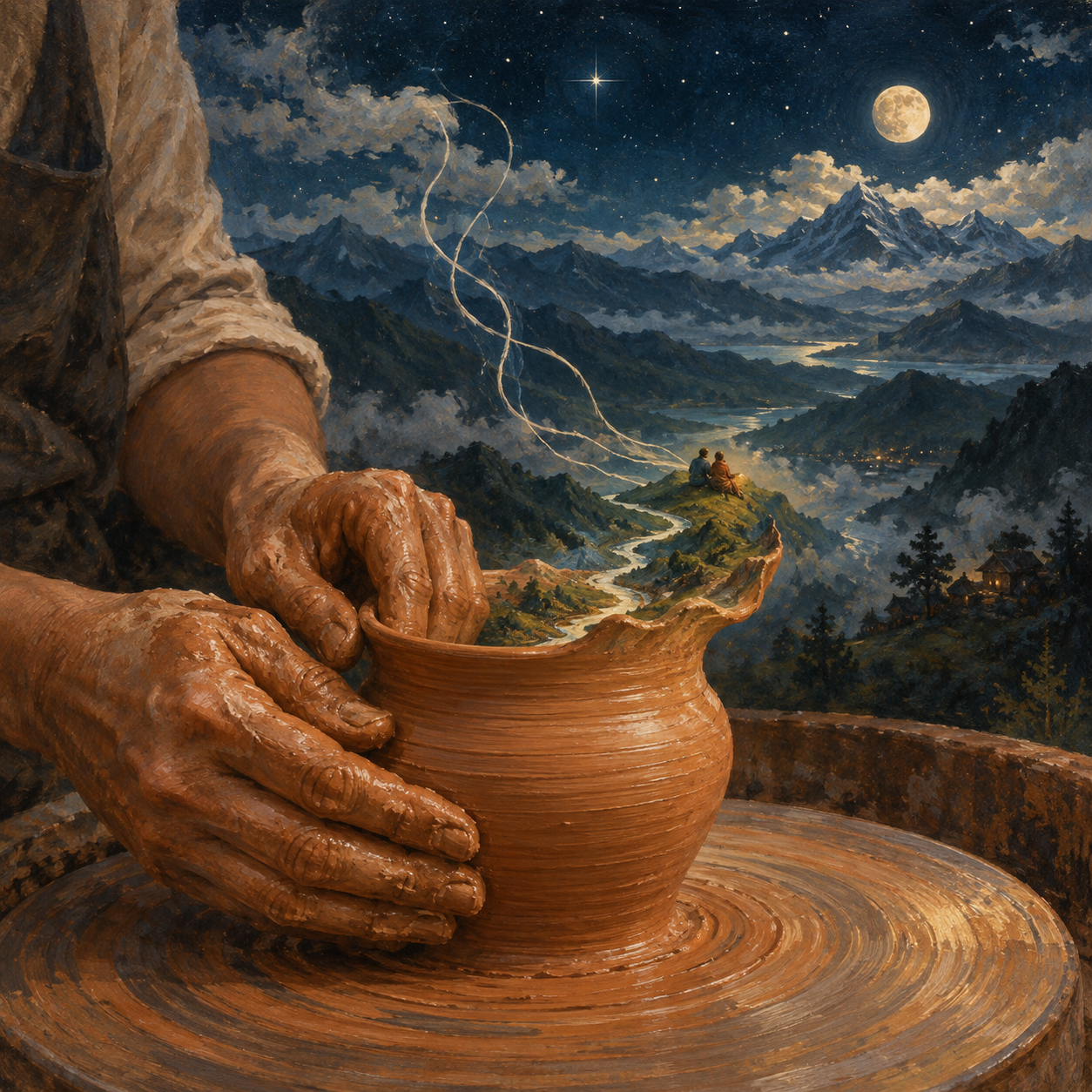
କୁଂଭକାର ମୁଁ, ଗଠିଦେବା ସିଖିଛି
ରଂଗେଈ ଦେଈ,
ତୁମ ମୁଖରେ ହସ ବୁଣିବା ସିଖିଛି ।

ଆସ ପାହାଡ ଚଢିବା
ଆସ ଜନ୍ହ ଦେଖିବା
ବାଦଲ ସାଂଗେ କାଂଧ ମିଳେଈ
ଝଡିବାର ମଂତ୍ର ସିଖିବା ।

ମୋତେ ସପ୍ନ ଦେଖିବାକୁ ମନା ନାହିଁ ।
ମନା ନାହିଁ ଗୁଂଥିଦେବାକୁ
ତୁମ ସପ୍ନକୁ ମୋ ସପ୍ନରେ ।
This is a meaning scaffold, not a replacement poem to sing. “Rain” interprets the falling/shedding image in its cloud context. Preserve its feeling of release and generosity.
[Intro]
I am free to dream, and to lose my way along the road.
The North Star will show the way.

[Verse 1]
Gathering the world, piece by piece, I hold it close,
hoping to join or mend it, hoping to make it beautiful.

[Verse 2]
I am a potter.

I have learned to give form and colour,
and to sow a smile upon your face.

[Chorus]
Repeat the opening stanza about dreaming, losing the way, and the North Star.

[Bridge]
Come, let us climb mountains and look at the moon.
Shoulder to shoulder with the clouds,
let us learn the mantra of falling or shedding as rain.

[Final Chorus]
I am free to dream,
free to weave your dreams into mine.

[Soft Outro]
Repeat the final dream-weaving image.
Preserve the freedom to dream and become lost, the guiding North Star, gathering and embracing the world, the potter giving form and colour, sowing a smile, mountains and moon, standing beside clouds and learning to fall as rain, and finally weaving the beloved’s dreams into the speaker’s. Keep the address intimate and secular. Prefer natural local idiom over word-for-word English syntax; do not add new scenery, religious figures or unrelated imagery.
Keep Intro → Verse 1 → Verse 2 → Chorus → Bridge → Final Chorus → Soft Outro. The chorus repeats the opening thought; the outro repeats the final dream-weaving image. Keep a distinct breath between the two gathering phrases where repetition works naturally, and a full blank line after the potter declaration.
Adaptation pending. Choose Warang Citi or another community-preferred working script with the adapter, and check local pronunciation and poetic grammar. Script choice does not establish a generated singer’s language accuracy.
Intended settings for a future recording, not measured properties of the tracks above. Policy 2026-09-27-2.
| Control | Starting value |
|---|---|
| Model | v6 |
| Mode | Advanced |
| Weirdness | 30 |
| Style Influence | 65 |
| Max Mode | On |
| Personalize | Off |
| Variety | Normal |
| Duration | Auto |
| Vocal Gender | Unselected; voice directed in the language prompt |
| Audio Influence | Not applicable |
| Exclude Styles | EDM, heavy dance beats, aggressive percussion, theatrical belting, excessive vocal runs, vocoder, chopped vocals |
No adopted language control overrides. This language’s musical prompt and reasoning remain specific to its chosen setting.
How to adapt this baseline · Use the collection in your work